Refurbishment: Unlocking the Value of Older Buildings
Refurbishing an older building is often seen as a costly and risky undertaking. Owners may (understandably) worry about the unknown—what hidden problems might be uncovered once works begin? This concern is valid, as older buildings can present challenges such as:
- Hazardous materials (asbestos, lead, contaminated soils, etc.)
- Structural damage requiring significant repair
- Deterioration of key building elements
- Outdated or inactive building services
- Heritage overlays and restrictions
- Compliance issues with modern codes and standards
The Value of Character
Older buildings showcase materials and craftsmanship rarely seen in modern developments. Bricks with natural patina, exposed timber beams, hardwood floorboards, stucco, and terrazzo are expensive (and often impractical) to reproduce today. Preserving and highlighting these features creates spaces that are authentic, distinctive, and highly sought after by tenants and occupiers.
Comfort and Performance
One of the most common shortcomings of older buildings is inadequate HVAC performance. Where systems exist, they are often inefficient or poorly distributed. Upgrading heating and cooling solutions is a crucial step to ensure occupant comfort and long-term usability.
Case Study: The FORA Office
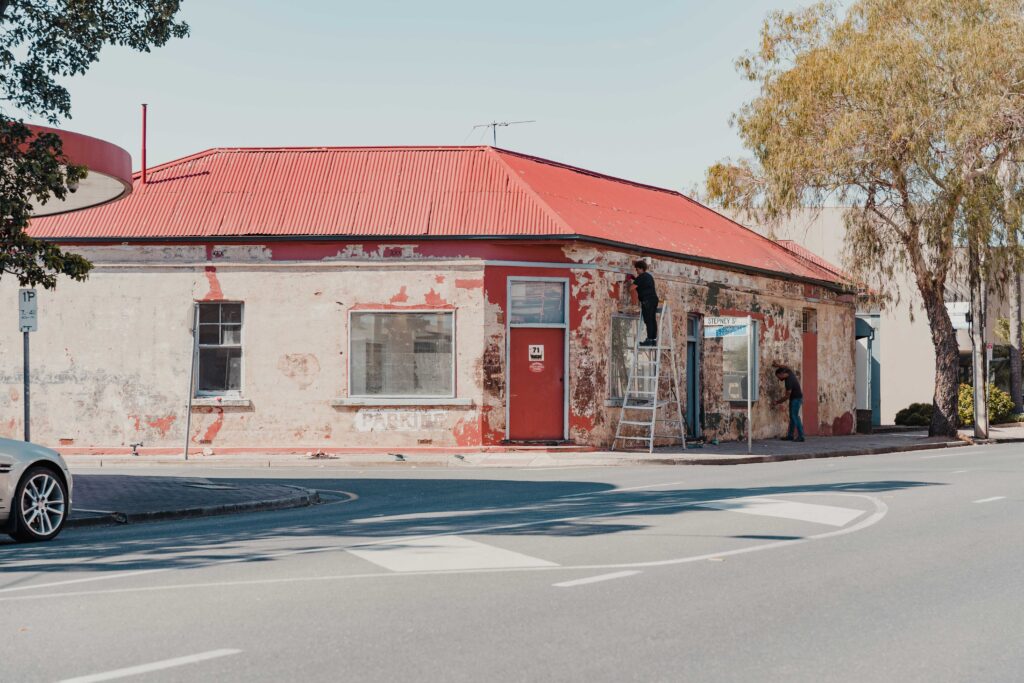
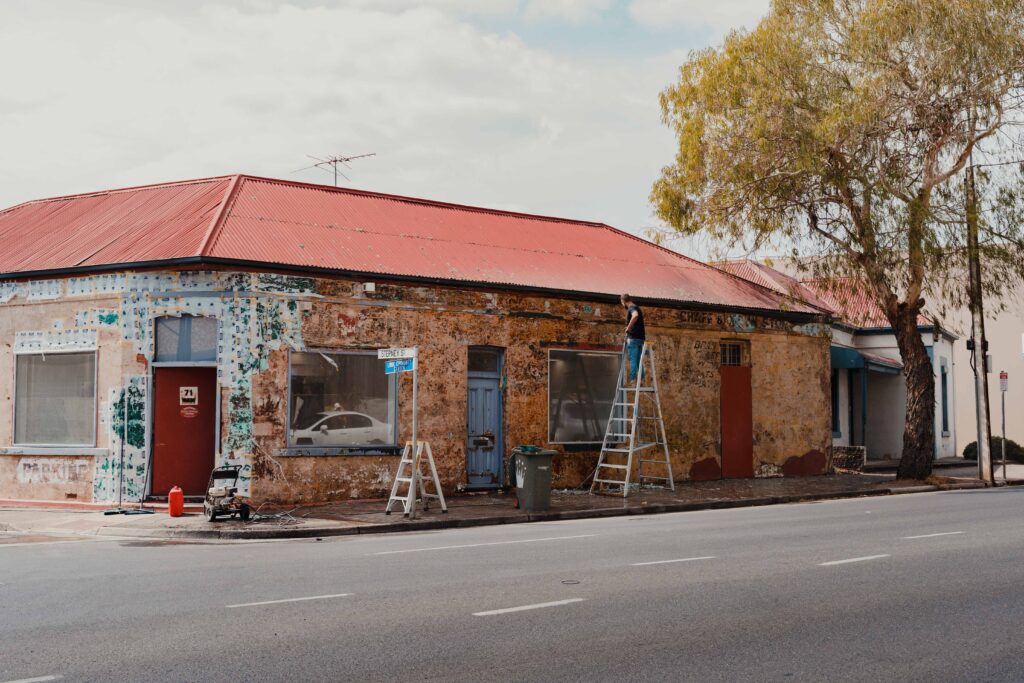
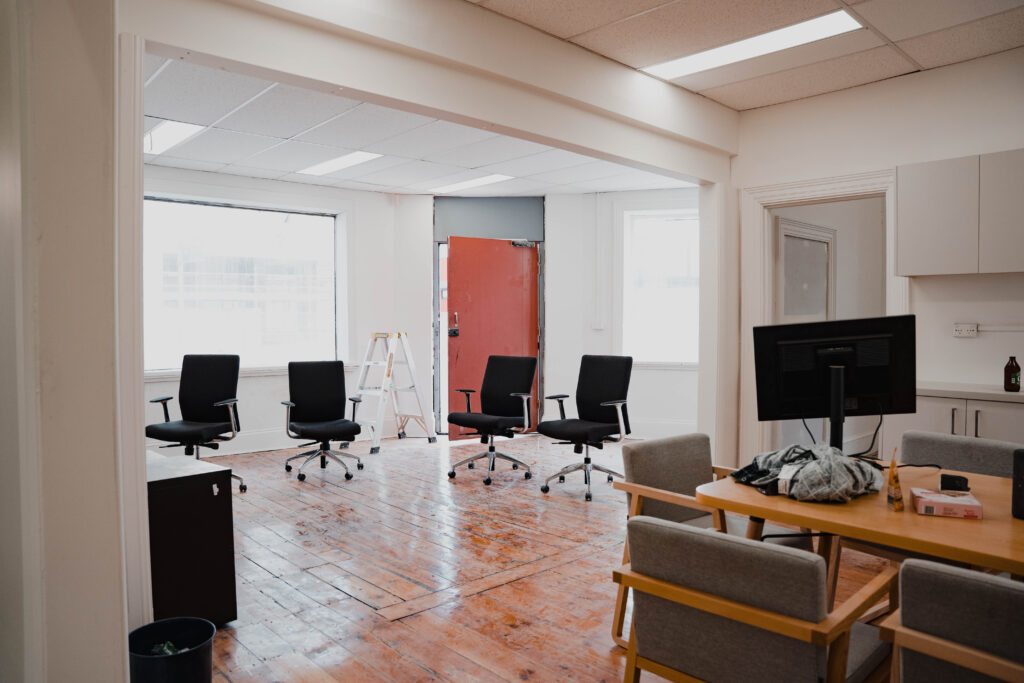
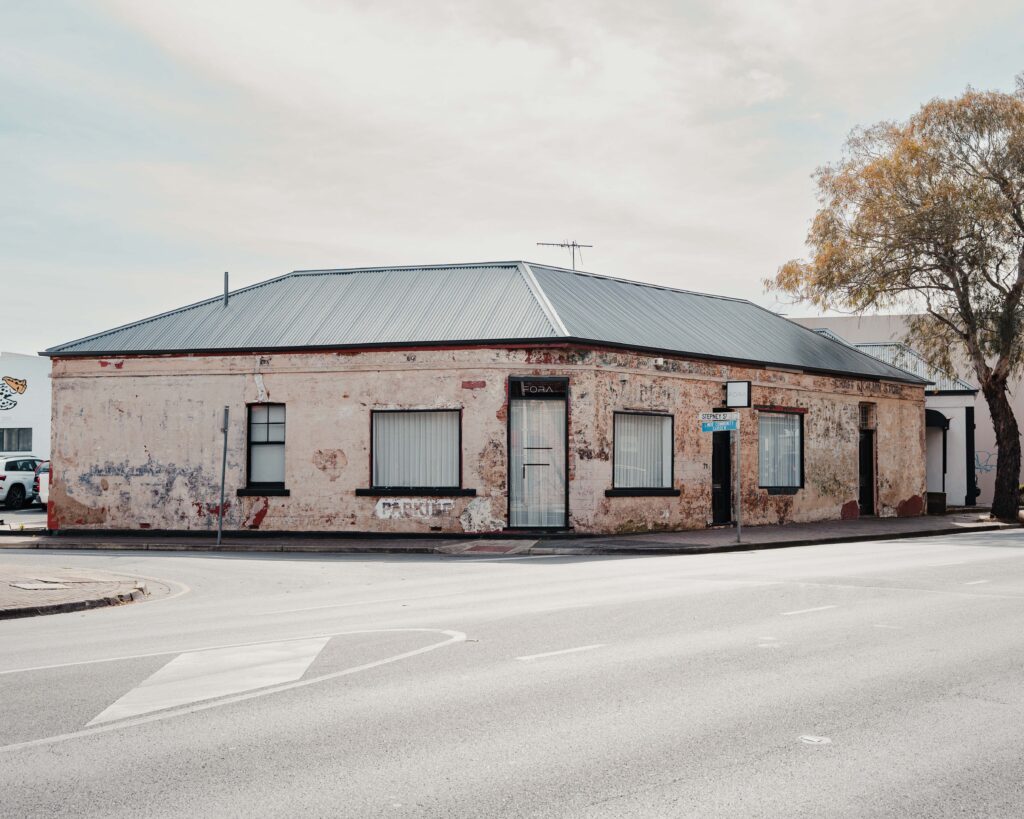
The FORA office refurbishment is a clear example of what’s possible when character is uncovered and enhanced. The building was once derelict, with an interior that was completely uninhabitable. However, the external façade had great potential.
Our team approached the project with a focus on modest but impactful improvements:
- Replaced suspended ceilings
- Installed new LED lighting
- Fitted new air-conditioning units
- Renewed the roof
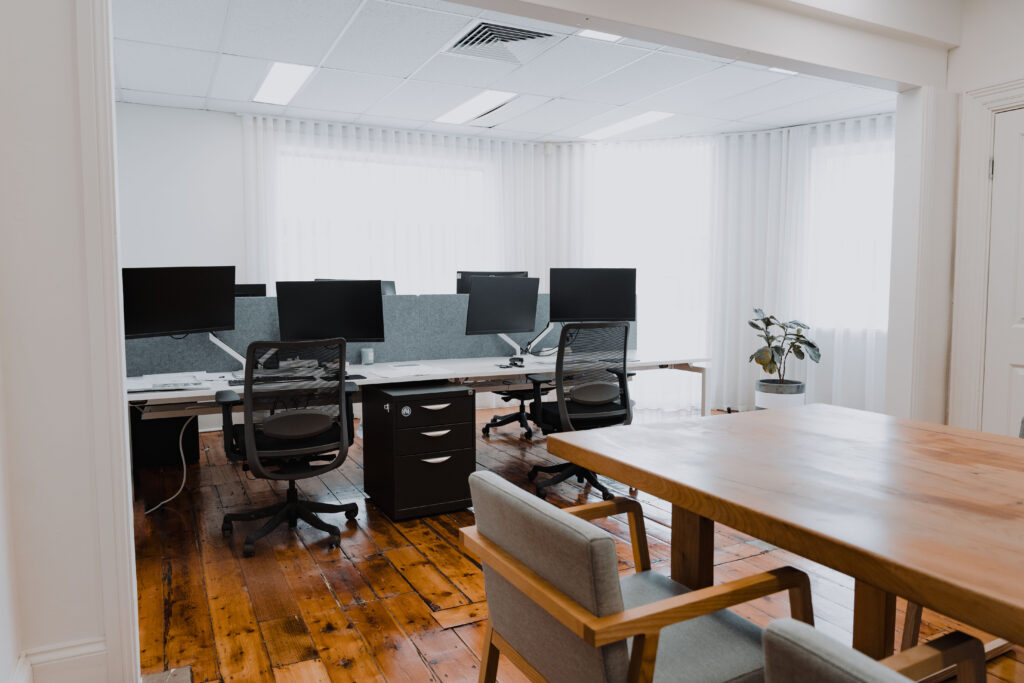
- Sanded and restored timber floorboards
- Revived terrazzo bathrooms through professional polishing
Externally, we stripped away layers of paint to reveal the original façade—complete with ghost signage that added a unique historical touch. Sealed windows, a new glazed entry panel, and discreet signage further elevated the building’s appearance.
The result speaks for itself: a transformation that combined modern functionality with heritage charm, unlocking both the aesthetic and commercial potential of the building.